Biophilic decoration: the balance between nature and design
Announcements
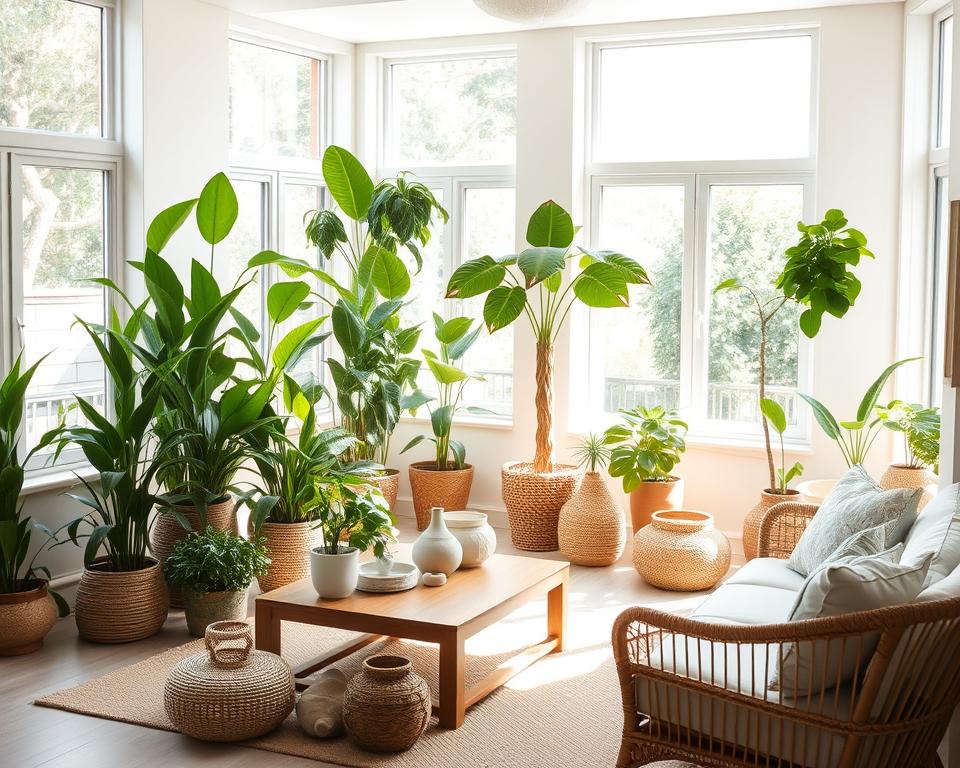
A biophilic decoration it emerges as a revolution in interior design, transcending the simple inclusion of plants connection with nature that transforms urban environments into truly living and regenerating spaces.
Announcements
O biophilic design it proposes a sensory immersion that reconnects humans with natural elements.It is not just about aesthetics, but about creating environments that promote well-being, mental health and emotional balance.
A biophilic decoration it is born from a deep understanding of our instinctive need to be close to nature.Through organic materials, natural lighting and forms inspired by the natural world, spaces become refuges that nourish the body and soul.
Main Points
- Connection with nature beyond traditional decoration
- Promoting physical and mental well-being
- Transformation of urban spaces into regenerating environments
- Use of organic materials and elements
- Biological response to the need for natural contact
What is biophilic decoration and why it is transforming modern spaces
A biophilic decoration it represents much more than a simple design trend, it is a revolutionary approach that reconnects the interior environments with the essence of nature, using natural elements in the decoration intentionally and strategically.
A biophilic architecture it emerges as a contemporary response to the growing distance between humans and the natural environment.More than an aesthetic concept, it seeks to reestablish our fundamental connection with the natural world through interior design.
The origin of the concept of biophilia in interior design
The term “biophilia” was introduced by biologist Edward O. Wilson, who identified a deep biological connection between humans and nature.This theory suggests that we have a genetic predisposition to seek links with living systems and natural environments.
- Scientific origin based on evolutionary studies
- Understanding of human relationship with natural environments
- Application in contemporary interior design
How biophilic decoration transcends the simple addition of plants
Biophilia in interior design it goes beyond positioning some plants in one environment.It represents a holistic approach that integrates multiple natural elements to create spaces that promote physical and mental well-being.
Unlike traditional decoration, a biophilic architecture consider:
- Systemic integration of natural elements
- Intentional planning of spaces
- Focus on the psychological and physiological impact of the environment
This methodology transforms environments into true refuges that dialogue with our natural essence, promoting health, tranquility and connection with the outside world.
Essential elements of biophilic decoration to create harmonized environments
A organic decoration it goes beyond simply adding plants, it represents a deep connection between the inner spaces and the natural world, creating environments that truly breathe life.
The fundamental elements of biophilic decoration include:
- Plants in decoration: The heart of biophilic design
- Aquatic elements that bring tranquility
- Organic forms that refer to nature
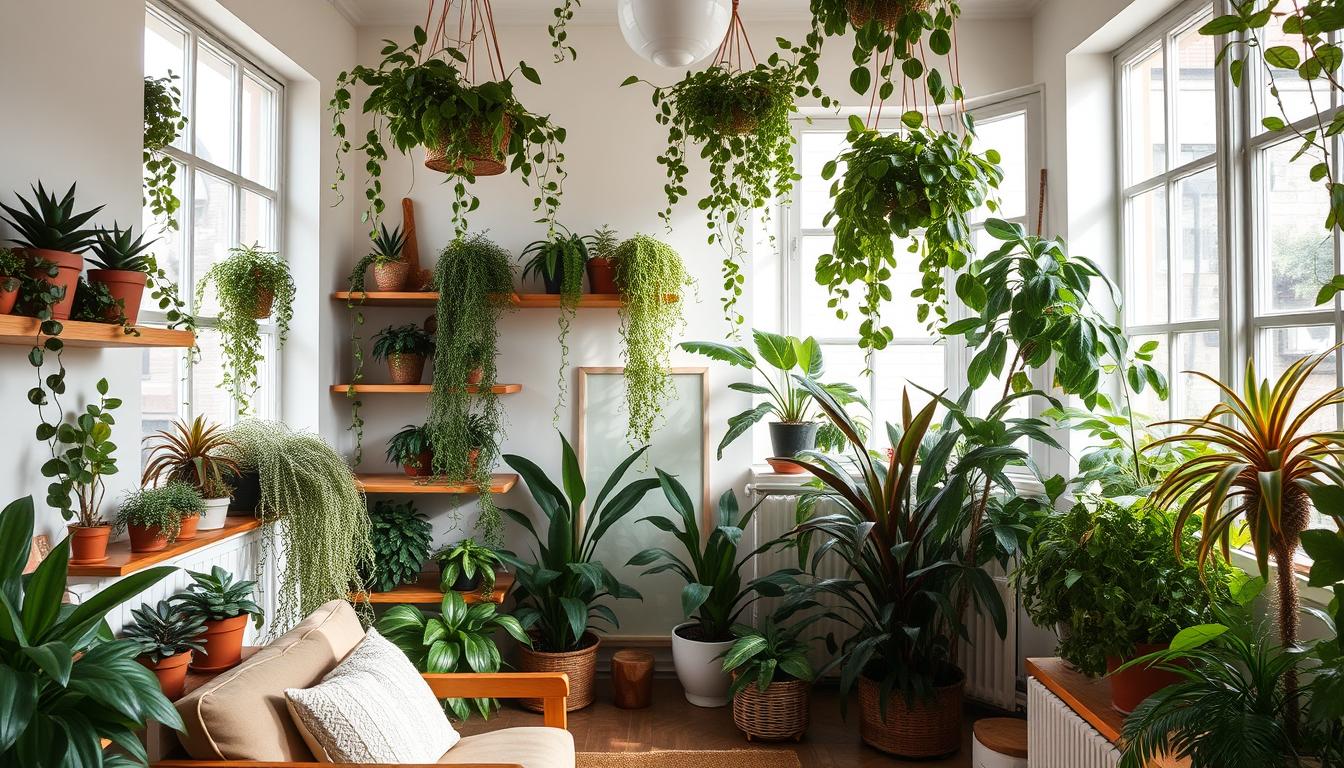
Vertical gardens emerge as an innovative solution to integrate vegetation into limited spaces. These green panels not only beautify the environment, but also purify the air and bring a feeling of freshness and vitality.
Some strategies to implement organic decoration include:
- Select plants suitable for each environment
- Create focal points with natural elements
- Use organic materials such as wood and stones
Each element must integrate smoothly, creating a space that invites relaxation and reconnection with nature.
Natural materials: the basis of organic connection in spaces
Biophilic decoration finds its essence in us natural materials, creating environments that breathe authenticity and connection with the outside world. These organic elements transform internal spaces into cozy refuges, establishing a sensory bridge between the built environment and nature.
Natural rocks and their geological narratives
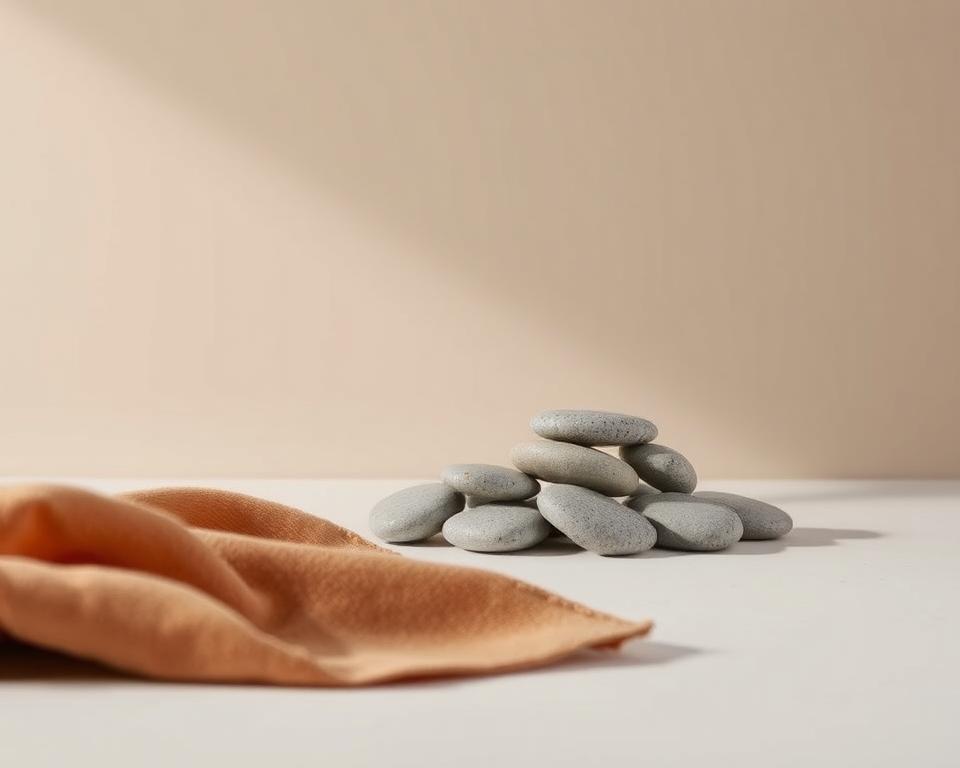
Natural rocks they are true jewels of decoration, each carrying a unique story shaped by thousands of years natural rocks they offer much more than aesthetic beauty – they are elements that bring the authentic texture of the geological world into the environments.
- Quartzites in warm tones transmit rusticity
- Marbles evoke elegance and nobility
- Granites exhibit unique crystallization patterns
Textures that awaken the senses
The natural textures they are fundamental in biophilic decoration, creating rich and engaging sensory experiences. Wood in decoration, for example, it allows multiple interpretations – from rustic demolition pieces to polished and contemporary surfaces.
- Certified or demolition wood
- Natural fibers like sisal and jute
- Organic fabrics: linen, cotton
The harmonious combination of natural materials it transforms environments into living spaces, where each element tells a story of connection with the natural world.
Natural light and ventilation: pillars of well-being in biophilic environments
A natural light it represents a fundamental element to create environments that promote the well-being at homeits importance goes beyond simple illumination, directly connecting our organism with the natural rhythms of day and night.
Strategies to maximize the natural light include:
- Use of large, well-positioned windows
- Installation of glass doors connecting interior and exterior
- Implementation of skylights and atria
- Intelligent use of mirrors to reflect light
A natural ventilation it complements this concept by creating truly harmonic environments.Spaces with adequate air circulation renew energy, reduce stress levels and significantly improve quality of life.
Scientific benefits of natural light they are impressive:
- Circadian cycle regulation
- Improving mood
- Vitamin D production
- Reduction of electricity consumption
For environments with natural light limitations, there are innovative solutions such as solar tubes and lighting systems that mimic solar cycles, ensuring that well-being is not compromised.
Investing in natural light and adequate ventilation is investing in your health and quality of life, transforming your home into a true biophilic refuge.
Biophilic decoration applied in different environments of the house
A sustainable decoration it allows to transform each space of the house in a healthy environment and connected with nature. The biophilic principles can be adapted to the specific characteristics of each room, creating unique experiences of well-being and harmony.
Implement organic forms and natural elements do not mean just adding plants, but creating a complete sensory experience that dialogues with the built environment.
Living room: creating a natural haven in the heart of the home
The living room represents the social core of the residence.To create a healthy environments in this space, consider:
- Large windows overlooking external areas
- Green wall as a focal element
- Wooden furniture and natural fibers
- Carpets in organic materials
- Plants of different sizes and textures
Biophilic room: promoting rest and reconnection
In the bedroom, a sustainable decoration you should prioritize rest and tranquility. Some essential elements include:
- Mild and natural color palette
- Plants that release oxygen at night
- Natural fabrics in bedding
- Lighting that respects the circadian cycle
The true essence of biophilic decoration lies in the organic connection between the internal space and the natural elements, creating environments that nourish body and mind.
Proven benefits of biophilic decoration for health and productivity
Biophilic decoration revolutionizes the way we perceive healthy environments, offering scientifically proven benefits for productivity and naturerecent research demonstrates significant impacts on mental health and human performance.
The main benefits of biophilic decoration include:
- 30% reduction in stress levels
- 15-20% increase in productivity
- Improving indoor air quality
- Natural regulation of ambient temperature
Scientific studies reveal that environments designed with natural elements can completely transform the experience of well-being at homeintegration of plants, organic materials and natural light stimulates positive cognitive and emotional processes.
| Aspect | Benefit | Impact |
|---|---|---|
| Mental Health | Stress reduction | 40% decrease in anxiety symptoms |
| Productivity | Improves concentration | 20% increase in performance |
| Sleep Quality | Relaxing environment | 50% improvement in the quality of rest |
Biophilic decoration is not only an aesthetic trend, but a proven strategy to create healthy environments investing in this approach means prioritizing well-being and quality of life in contemporary spaces.
Nature is not only a decorative element, but an essential source of human balance and recovery.
Natural color palette and organic shapes in Brazilian biophilic design
O biophilic design brazilian emerges as a unique expression of connection with nature, integrating an natural color palette the chosen shades dialogue directly with the native environments, from the deep greens of the forests to the earthy tones of the Brazilian biomes.
The organic forms in biophilic design, they abandon straight and standardized lines, embracing soft curves that evoke natural elements. Furniture and decorative objects inspired by contours found in the forest, the coast and the Brazilian cerrado create spaces that breathe authenticity and movement.
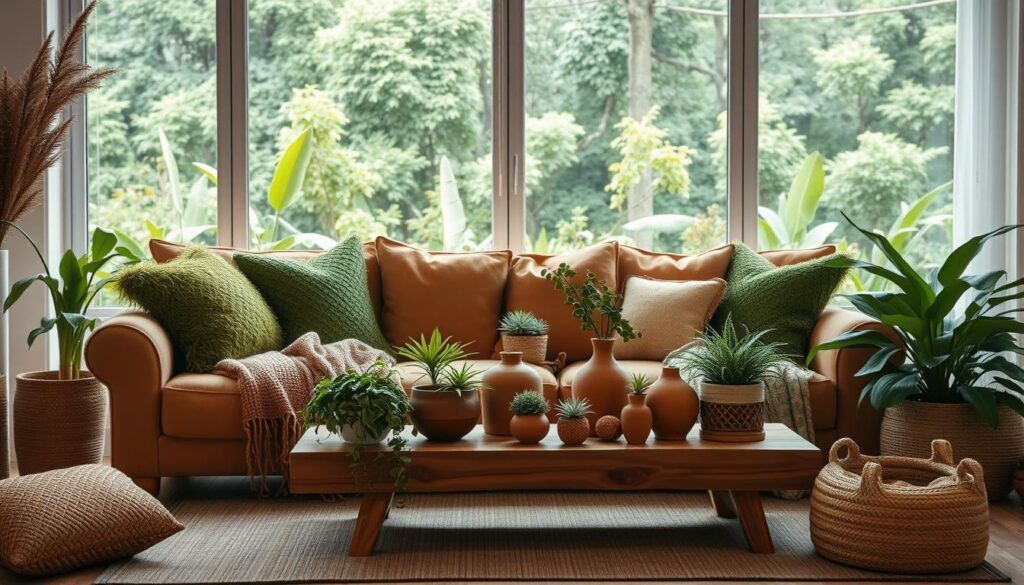
A natural color palette in the Brazilian context it integrates nuances of moss green, terracotta, ocean blue and neutral tones that translate the complexity of our biodiversity. These chromatic elements not only decorate, but establish a deep sensory communication with the built environment.
The national biophilic design stands out for its ability to interpret the local landscape, transforming regional characteristics into unique aesthetic and sensory experiences.Each environment becomes an invitation to reconnect with the natural roots of the Brazilian territory.