
How to Write a Perfect Love Letter
Announcements
Writing a love letter is a profound act of emotional communication that transcends text messages and social networks.You have the opportunity to express genuine feelings in a lasting way, creating a document that will be reread and cherished.This article will guide you through the practical steps to compose a letter that truly touches the heart of the one you love.
Announcements
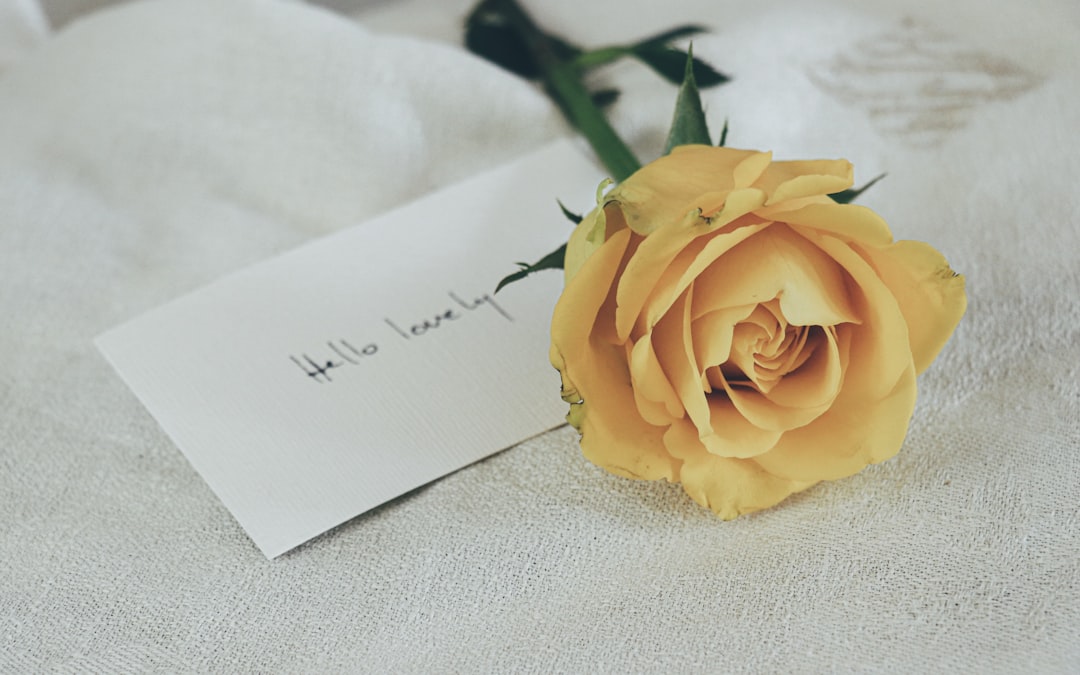
The love letter is not just about saying “I love you” but about communicating why that person is important to you, what moments marked your relationship, and how you envision the future together.
Preparing the Environment and Emotional State
Before you put pen to paper or type the first word, you need to create the right conditions for creativity and authenticity to flow. Choose a time when you are calm, away from distractions and with enough time to write unhurried. A quiet mind produces more genuine words than an anxious or agitated mind.
You can listen to a song that brings good memories of the relationship or simply be silent, allowing feelings to surface naturally.The emotional state in which you write taints the tone of the letter, so invest time in preparing internally before you begin.
Choosing the Ideal Format and Support
The decision between handwritten or typed significantly influences the impact of your letter. A handwritten letter demonstrates greater dedication and care, as each letter reflects time and personal thought invested.If you choose to write by hand, use a good quality pen and a special paper, creating a complete sensory experience when the person reads.
If you choose to type, you gain in clarity and can edit more easily, ensuring that each paragraph expresses exactly what you want to communicate. You can then print on quality paper and sign in person, combining the best of both worlds. Regardless of the format chosen, what matters is that the final result is readable and conveys authenticity.
Structuring Openness with Authenticity
The way you start the letter sets the tone for the rest of the text.You can start simply and directly, using the person’s name affectionately, or start with a phrase that captures a special moment you shared.
Avoid generic cliches that could have been written to anyone. You want your love to feel that this letter is personal, unique, created specifically for him or her. Consider starting with something like: “There are times when I need to tell you in a way that only writing allows” or “I want to share with you thoughts that I carry for a long time”.
Expressing Specific and Genuine Feelings
The body of the letter is where you develop your feelings with depth and concrete examples. You should not only say that you love the person, but explain how this love manifests itself in everyday life.Describe attitudes, expressions, ways of being that you admire and that justify your feelings. The more specific you are, the more the person will feel that you really know and value him.
Mention moments that were meaningful to you: a late conversation, a comforting hug, a shared laugh that only you understand. You can also talk about how the person changed your life or perspective, making you someone better. These personal details turn a generic letter into a powerful emotional document that will be kept as treasure.
Expressing fear of not being enough, anxiety about the future, or difficulty communicating certain feelings verbally adds depth and humanity to the letter. This vulnerability invites the reader to connect even more deeply with you, creating an intimacy that goes beyond superficial beautiful words.
Including Promises and Future Vision
An effective love letter looks not only at the past and present, but also at the future you want to build together. You can express your shared dreams, the ways you intend to demonstrate your love going forward and the commitment to the relationship.
You can write about small ways of being present, such as listening without judgment, supporting in difficult moments or celebrating the person’s achievements.It is also worth mentioning big dreams, such as traveling together, raising a family or building a stable life side by side. The balance between small and large promises demonstrates that you think about the relationship on multiple scales.
Refining Language and Tone
You should use language that is natural to you, while maintaining a tone consistent with your personality. If you are someone more poetic, allow yourself to use language figures and evocative images.If you are more direct and pragmatic, an honest and unfriendly approach can be equally touching. The authentic always surpasses the artificial, regardless of the linguistic style chosen.
Re-read your letter several times, paying attention to phrases that seem false or that you would not say personally. Eliminate these parts and rewrite in your own words. You want the person to recognize your unique voice when reading the letter, feeling that you are there, speaking directly to her. Avoid excess adjectives that swell the text without adding real meaning.

Keep paragraphs reasonably spaced so that text breathes and is comfortable to read. You don’t need very long arguments: short, impactful sentences often work better than complex periods that force the reader to focus too much on grammar structure rather than connecting emotionally.
Customizing with Unique and Memorable Details
What differentiates a memorable love letter from a common one are the unique details that only you can include. You can reference particular pranks, that special place where you met, or the music that played at a remarkable moment.
You can also include small written surprises, such as phrases in another language if appropriate, poetry you created specifically for the occasion, or even a quote from a song or book that has special meaning.
Avoiding Common Traps in the Newsroom
You should be careful not to make comparisons with previous relationships or ex-partners.Focusing on the present and future is more effective than mentioning how this person is better than others. Comparisons often carry unresolved resentments or insecurities that may distract from the main purpose of the letter.
Avoid also making the letter too long to the point of becoming boring. You do not need twenty pages to express your love genuinely. A well-built letter with three to five pages, depending on the depth you want to achieve, is usually ideal. Quality exceeds quantity: you want to leave the person wanting more, not tired of reading.
Another common mistake is to use the letter as a tool to resolve unresolved conflicts or make accusations disguised as a show of love. The love letter should be about celebration and connection, not about collection or resentment.
The Art of Impactful Conclusion
The closing of your letter is the last impression you will leave, so you should be as careful as the opening. You can reaffirm your commitment, resume a sentence or concept of the opening to create a sense of completeness, or simply leave a final statement simple and powerful.
You can end with something like “I love you and I keep wanting to learn to love you more every day” or “Thank you for being exactly who you are, and allowing me to be exactly who I am”. These conclusions encapsulate the essence of adult and mature love, which recognizes beauty in simplicity and truth. Sign with your own name or affectionate nickname, depending on how you identify in the relationship.
Preparing Delivery and Special Moment
The way you deliver the letter is as important as what is written in it. You can leave it in a place where the person meets it by chance, such as under the pillow or in the backpack. You can also deliver personally, choosing a quiet moment where they can talk about it later. The choice depends on the personality of the two of you and the type of reaction you want to create.
You can increase the emotional impact by preparing a special environment or accompanying the letter with meaningful gestures such as flowers, an aromatic candle or the right background music.The context in which the letter is delivered can amplify the emotional effect, turning a simple written text into a memorable moment in the history of your relationship.
Reflecting on the Process and Its Benefits
The act of writing a love letter offers benefits to both the writer and the receiver. You, when writing, have the opportunity to clarify your own feelings and recognize the depth of your love.You force yourself to examine why you love this person and how he impacted your life, leading to a deeper understanding of the relationship. This reflective process often reveals appreciations that you may be neglecting on a day-to-day basis.
For the person receiving the letter, you offer an intangible gift that grows in value over time. A love letter can be reread in difficult times, when there are doubts or insecurities. You are creating a document that can be revisited years later, serving as a tangible reminder of a real and documented feeling. This type of emotional memorabilia has a weight that no instant message can replicate.
The practice of writing love letters also revitalizes romantic communication in a world where text messages and emojis often replace deeper expressions.You are deliberately choosing to slow down, be vulnerable, and invest time in someone.
You will understand, after writing your first genuine love letter, why this practice has persisted for centuries despite all technological innovations. A well-written letter touches something essentially human in us: the need to be seen, understood and valued. When you finish your letter and deliver it, know that you have done something rare and precious in an age of rapid and superficial communication.