This AI Simulates Your New Haircut Before You Even Go to the Salon
Announcements
Artificial intelligence has transformed the way we plan visual changes, allowing us to experiment with haircuts without compromise before sitting in the salon chair.This technology offers a practical solution to decrease the anxiety of new hair transformations.
Announcements
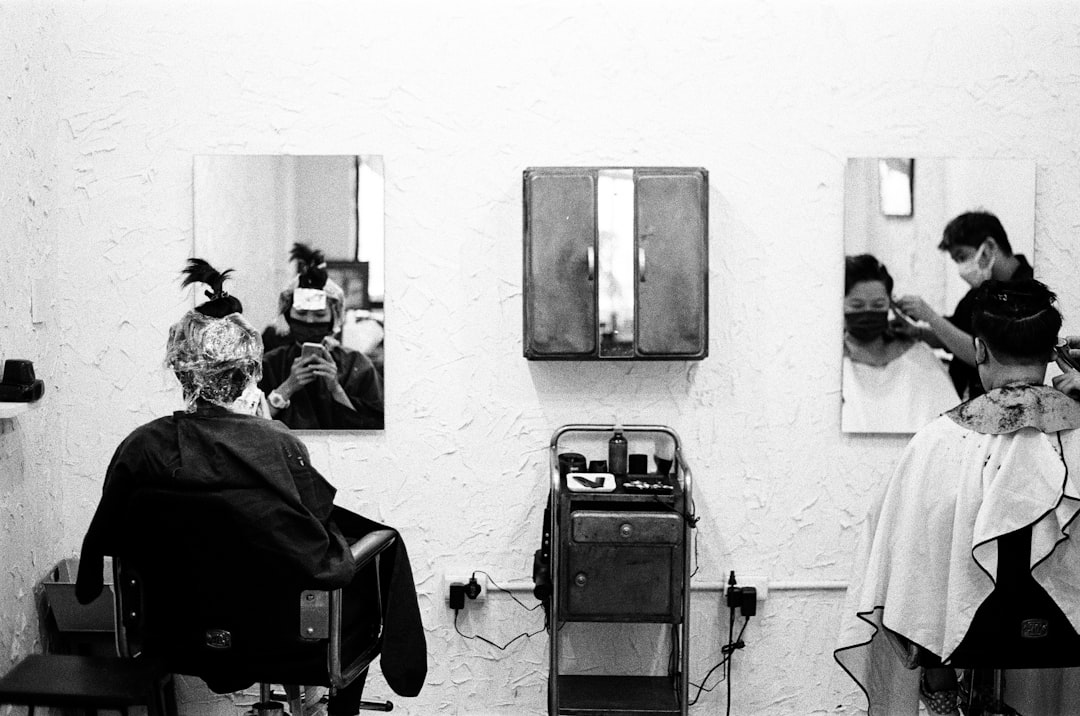
The beauty and personal care industry has quickly adopted hair simulation tools, recognizing that prior visualization reduces disappointment and increases confidence in aesthetic decisions. This approach aligns with the contemporary trend of personalization and autonomy of the client, who wants to understand exactly what the result will be before any irreversible procedure.
How Artificial Intelligence Recognizes and Transforms Your Hair
The hair simulation technology works through computer vision algorithms that map the structure, texture and current length of your hair. The system captures a photo of your face and scalp, analyzing features such as face shape, hair type and skin tones to determine which styles would work best on you. This processing takes place in seconds, allowing you to view multiple options immediately.
Facial recognition is a crucial part of this process, as different face shapes require specific cuts to enhance natural features. The AI identifies whether you have a round, oval, square or elongated face, applying established aesthetic rules to suggest harmonious cuts.In addition, the system detects hair volume, curl and density, adapting the simulations to your specific capillary reality.
The algorithms also consider factors such as apparent age, skin tone and even visible makeup characteristics in the photo. These multidimensional analyses ensure that the simulation reflects not only the cut in isolation, but how it integrates with your visual as a whole. The better the quality of the initial photo, the more accurate the simulation will be presented.
Platforms and Applications that Already Offer This Feature
Several beauty apps and platforms have successfully implemented hair simulation capabilities, offering varied experiences to users. Large hair product brands integrate this technology into their apps, while specialized startups develop solutions focused exclusively on virtual try-on cutting.The fierce competition in this segment results in increasingly sophisticated and affordable tools.
Augmented reality platforms allow you to see the cut in real time using your smartphone’s front camera, moving your head to observe the result from different angles. These apps usually offer filters with more than a hundred cutting, length and style options, from fringe to undercut.The immersive experience makes viewing more reliable compared to traditional still images.
Some platforms work in partnership with salons and professional hairdressers, integrating their databases of real cuts executed in these establishments. This approach connects the simulation to the practical reality, because you can visualize a specific cut and then consult which salon or professional performs it best. This integration represents an important trend of convergence between digital technology and face-to-face services.
Current Trends: Personalization and Compatibility Analysis
The current trend in the AI market for hair simulation is moving towards increasingly personalized analysis, considering not only the facial format, but also individual aesthetic preferences and necessary maintenance. Algorithms are now able to assess how much time you will have available for daily care, suggesting cuts that align with your lifestyle and routine. This approach greatly reduces the regret rate after the actual cut.
Compatibility with your hair type receives special attention in modern tools, which assess whether a specific cut is feasible with actual hair texture, density and porosity.If you have very thin hair, for example, AI may indicate that a particularly voluminous cut would require special techniques or specific products for maintenance. This transparency allows much more informed decisions before arriving at the salon.
Trend analysis features also gain prominence, allowing you to visualize how popular cuts would specifically adapt to your look, without simply copying what you see on celebrities or social networks. AI differentiates “what’s on the rise” from “what works for you”, guiding aesthetic choices that respect your individuality.
Best Practices for Using Cutting Simulators Efficiently
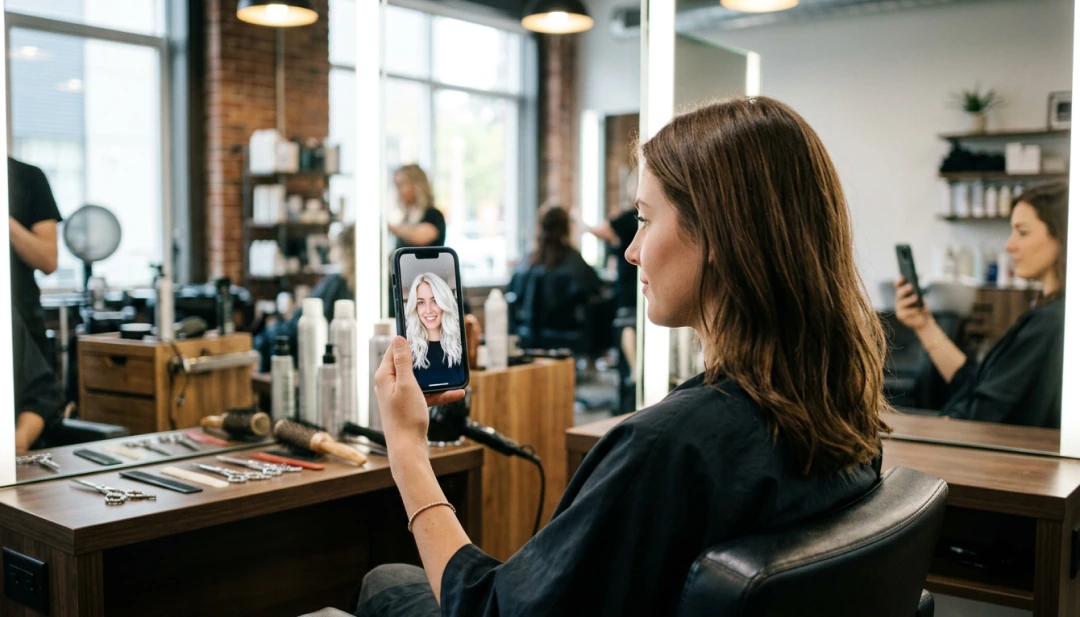
For more accurate simulator results, prepare a well-lit photo in natural or neutral light, with clean hair and hairstyle naturally as you usually walk in everyday life. Avoid photos with very low or high angles, as these distort facial proportions and impair AI recognition. The best photo is usually a self-portrait in the foreground, with a face facing the camera and neutral expression.
Try multiple variations of a single cut, adjusting length, volume, and fringe style as offered by the platform. Many users focus on just one option, missing opportunities to discover adapted versions that would work even better. Take time to explore different styles, not just the ones you initially found appealing, as the actual view often changes initial perceptions.
Take your favorite simulations printed or in a photo on your mobile phone to consult with your hairdresser before starting the actual procedure. This dialogue between client and professional, informed by prior visualization, reduces misunderstandings significantly. The professional can indicate adjustments or warn about limitations of the chosen cut according to your specific capillary structure, enriching the final decision with practical expertise.
Proven Advantages of this Technological Approach
The biggest advantage of using cutting simulation before the salon is the drastic reduction of anxiety and uncertainty associated with drastic changes in visual. You can explore transformations without real risk, deciding confidently if you really want to proceed with the change. This psychological factor directly impacts on satisfaction with the final result, because you have mentally experienced that visual.
Saving time and money also represents tangible benefit, especially when you avoid a cut that would not work well on your face or hair type. Compared to the cost of later corrections or complementary procedures to save a disastrous cut, investing a few minutes in simulation is highly economical.This financial efficiency makes the technology particularly valuable for people with budget constraints.
Communication between client and professional improves exponentially when both can see exactly the expected result. Interpretation errors decrease, as there is no room for “different cuts of old photos” or vague expectations. This alignment of expectations benefits both the client and the hairdresser, creating mutual satisfaction and more solid and lasting professional relationships.
The Future of Hair Simulation and Innovations in Development
Future innovations in this field include integration with virtual reality technology, allowing immersive simulations where you “enter” into your new look extremely realistically. There is also AI development capable of predicting how hair would evolve weeks after cutting, showing how the look would hold up during growth. These time forecasts offer much more complete insight into the commitment that a new cut represents.
Artificial intelligence will also be trained to learn individual aesthetic preferences over time, offering increasingly accurate recommendations as you use the platform. A system that understands your specific hair tastes and limitations becomes a reliable personal consultant, saving time and improving decisions. This progressive customization represents a natural next step in the evolution of this technology.
The integration with e-commerce of hair products also tends to deepen, allowing that when deciding on a new cut, you immediately discover shampoos, conditioners and styling products ideal for maintaining that specific look. This convergence between simulation, recommendation and purchase creates unified experience where you plan, visualize and equip yourself for your new look in single digital flow.
Trends also point to greater democratization of this technology, with simpler and more intuitive tools being developed to reach wider audiences. Currently, many simulators require a certain level of familiarity with technology or access to modern smartphones, a limitation that future generations tend to eliminate. This expanded accessibility will make hair simulation a standard feature in any beauty and personal visual consultation.