
Before Going to the Salon, Let the AI Find the Best Cut to Your Face Format
Announcements
Artificial intelligence technology has transformed the way you plan your look, especially when it comes to choosing a haircut that suits your face.Before you book that expensive salon session, letting AI analyze your facial shape can save you time, money and regrets.
Announcements
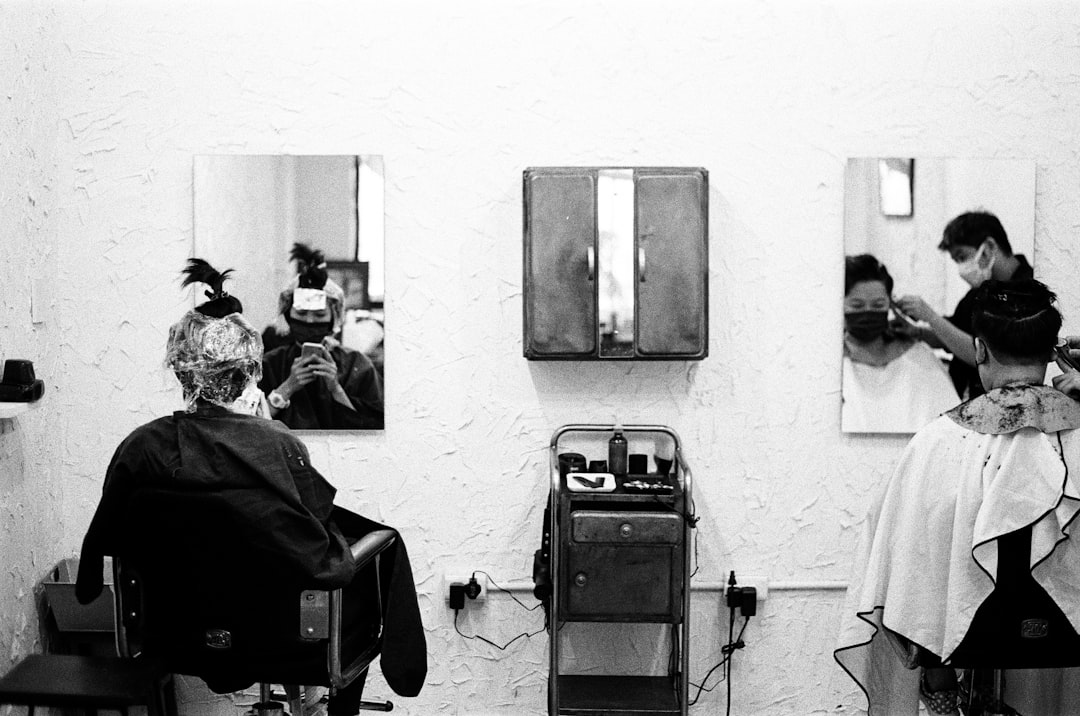
Many people still go to the salon without a clear idea of what they want, showing random photos to the hairdresser and hoping that everything will work out. This disorganized approach rarely works, because each face has unique characteristics that require a technical analysis. Artificial intelligence makes this analysis accessible, allowing you to make informed decisions before any permanent or semi-permanent procedure.
How Artificial Intelligence Identifies Your Face Format
AI works by means of facial recognition algorithms that map specific proportions of the face. These algorithms analyze reference points such as forehead width, the prominence of cheekbones, chin width, and overall face length.
The process is fast and non-invasive: you take a photo in good lighting, frontal and without accessories that cover the face, and AI does the rest. The algorithms compare your facial proportions with known patterns, generating a result that you receive in seconds. This speed completely contrasts with the manual evaluation of a hairdresser, which can take time and depend on his experience.
A significant advantage of this approach is consistency. While a professional may have different interpretations on the same day or on different days, AI maintains objective criteria. You always get the same rating when you send similar photos, which makes it easier to follow up and validate recommendations.
Recommended Cut Types for Each Facial Format
Oval face is considered versatile because its balanced proportions allow almost any cut. The AI usually recommends from elongated bobs to striking fringes for this type of face. The reason is simple: as the face has no extreme imbalances, the focus passes to your personal style and length preferences. You have the freedom to experiment with different textures and effects without risking to accentuate unwanted features.
Round faces have cheekbones and chin with similar measurements, creating a bulkier appearance. The AI recommends cuts that visually lengthen the face, such as bobs up to chin height with movement or long layers that create an illusion of length. Avoiding volume on the sides is crucial for round faces, so artificial intelligence prioritizes asymmetric cuts or with strategic layers that direct the look down.
Square face features wide jaw and forehead, requiring cuts that smooth these edges. The AI suggests styles with smooth layers, waves or curls that create a less angular visual effect. Bobs with movement, fringes cut on the side instead of straight, and lengths that reach beyond the chin work well in this format. The goal is to break the straight line of the jaw for a more harmonic look.
Rectangular or elongated faces require volume on the sides to balance length. Bob cuts to the chin with side volume, pronounced inner tape or shorter hair on the top of the head are common indications of AI. These styles create more balanced proportions by adding width where it is needed.
Heart-shaped face has a wide forehead and a tapered chin, reversing the proportions of the face in pear shape. The AI recommends cuts that add volume to the chin and visually reduce the forehead, such as lateralized fringe, bobs with volume at the tip or layers that begin below the pomules. These styles compensate for the natural disproportionality.
Diamond-shaped face is narrow on the forehead and chin, but wide on the cheekbones. Cuts that smooth the width of the apples and add volume on the front and back are indicated. Balanced inner ribbon, layers around the apples and structured bobs work well for this less common format.
AI-Based Tools and Applications for Facial Analysis
There are several platforms developed by companies specializing in beauty that offer facial analysis with AI. These applications allow you to upload a photo and receive cutting recommendations in a few seconds.Some of them integrate visual libraries with examples of cuts that match your face type, making it easier to communicate with your hairdresser.
Applications focused on color and style also incorporate facial analysis to suggest not only cuts, but also hair tones that harmonize with your skin and face shape. These combined features create a complete picture of how you will look after any transformation.The practicality of these applications makes them popular with people who want to plan visual changes safely.
Social networking platforms have also come to include AI-based filters and tools that allow you to view different cuts in your photo. While less accurate than specialized applications, these tools offer a quick way to test ideas before committing to a real change.The easy access and playful nature of these tools make them a pleasant introduction to facial analysis by artificial intelligence.
Advantages of Consulting AI Before the Salon
Financial savings is a practical reason to use AI before going to the salon. An improper cut may require corrections that cost additional money and time. By clearly defining which cut works for your face before the session, you drastically reduce the chance of dissatisfaction and subsequent corrections.
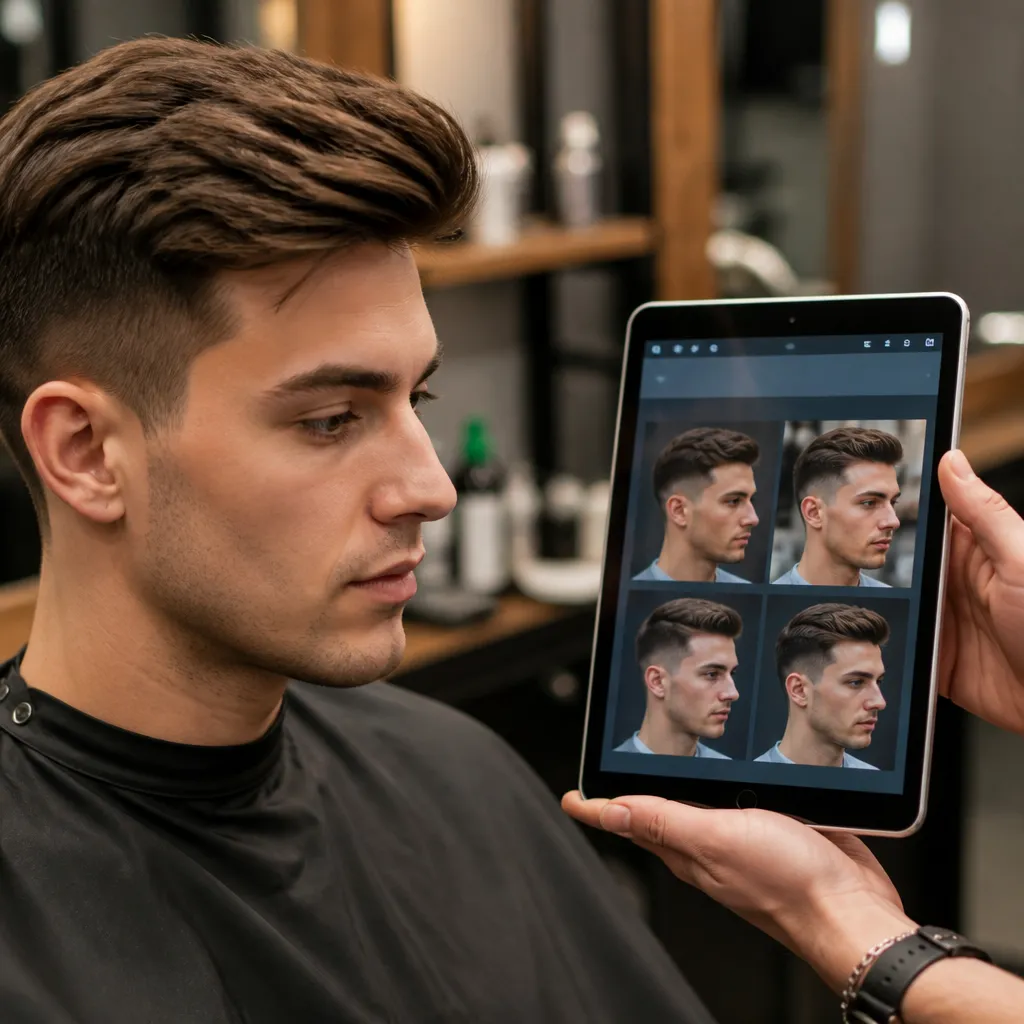
Efficient communication with your hairdresser improves significantly when you arrive at the salon with a clear analysis of your face type. Instead of showing ten different photos without context, you can present grounded recommendations that you and the professional discuss together.
Personal confidence increases when you make an informed decision about your appearance. Knowing that a change in look has been chosen based on technical analysis, not just momentum or trend of the moment, offers greater security.
Flexibility to experiment is another relevant advantage.AI allows you to test multiple cuts on your photos before choosing which one to run. This ability to view options without permanent compromise makes the decision process less stressful and more accessible to those who hesitate to make drastic changes.
Limitations and Important Considerations
No AI tool completely replaces the experience of a professional hairdresser. While technology analyzes facial proportions accurately, factors such as hair quality, natural texture, history of chemical damage and the ability of the professional to perform the cut are not evaluated by algorithms. AI offers direction, not absolute certainty of result.
The quality of the photo sent significantly impacts the accuracy of the analysis.Inadequate angles, poor lighting or accessories that cover part of the face can compromise the classification.For best results, you should follow the guidelines of each tool on how to photograph your face correctly. A well-lit portrait, frontal and without heavy makeup produces more reliable analyzes.
Personal preferences and visual identity should not be ignored in favor of AI recommendations. The technology suggests what is technically suitable for your facial format, but you have the autonomy to diverge from this suggestion if you wish. A technically perfect cut for your face that contradicts your personal style is not the best choice.
Different tools can generate slightly different ratings of the same face, as they use different algorithms. This does not mean that one is right and the other wrong; it simply reflects variations in the criteria of each system.If you receive inconsistent results, consider which rating resonates more with your personal perception.
Maximizing the AI Experience Before Going to the Salon
Gather multiple options before making a final decision.Use different AI tools if you have access, look at common recommendations between them, and compile a list of cuts that appear frequently.This reduces the influence of potential misclassifications and gives you a more complete picture of the possibilities.
Save or write down recommendations specifically. Upon arriving at the salon, do not rely solely on your memory; take AI analysis logs, suggested images and notes on which features of the cut work well for your face type.This documentation makes it easy to talk to your hairdresser and ensures that everyone is on the same page.
Discuss AI analysis with your trusted hairdresser before any procedure.An experienced professional can validate the classification of your face type, suggest adjustments based on your specific hair texture, and propose variations that still respect AI recommendations.
Consider your lifestyle and care routine when choosing from the options suggested by AI. A technically perfect cut requires regular maintenance to always look well-haved, so consider whether you have the time and willingness to do so. AI does not take into account your availability for frequent salon visits or how much time you devote to daily styling.
Keep track of how the cut ages on you before making drastic adjustments.Some AI recommendations may look perfect in the photo, but you may find that you prefer slight variations after using the cut for a few weeks.
Use AI analysis also to explore color options that complement your face type.Many tools recommend shades that harmonize with your skin and facial shape, expanding the possibilities beyond just cutting.