
Discover the Real Value of Your Property
Announcements
Knowing the exact value of a property is critical to making smart financial decisions, whether to sell, rent or invest.You need to go beyond generic estimates and look for tools and methods that really work to find out the real value of your property.
Announcements
The correct valuation of a property involves analysis of the local market, specific characteristics of the property and comparison with other similar properties.In this article, you will learn the best strategies, tools and a practical checklist to find out the value of any property accurately and safely.
Why Knowing the Real Value of Real Estate is Essential
Many homeowners and investors make the mistake of overestimating or underestimating their properties simply because they have not done a proper analysis.When you know the real value of your property, you can trade with confidence, establish competitive prices and avoid financial losses in real estate transactions.
Also, knowing the actual value helps you make strategic decisions about refinancing, home-backed loans or even for tax-reporting purposes. A well-valued property is a well-managed asset, and it makes all the difference in your personal equity.
Practical Methods for Finding the Value of Your Property
There are several approaches you can use to get to the real value of your property. Ideally, combine more than one method, creating a robust analysis that considers different perspectives of the real estate market.Each method has its strengths and helps you validate the information obtained.
Comparative Market Analysis
Comparative analysis is one of the most reliable methods for finding out the value of a property. You need to research similar properties that have recently been sold in the same region, considering such characteristics as size, age, location, number of rooms and finish. This direct comparison with actually marketed properties offers a solid basis for your evaluation.
To do this analysis, visit real estate ad sites, look for properties with similar characteristics, and look at the asking prices.However, remember that the advertised price is not always the actual selling price, so try to find out how much the properties actually sold when possible.
Evaluation by Specialized Professionals
Hiring a professional real estate appraiser is an investment that guarantees a technical and exempt appraisal of your property. These professionals have in-depth knowledge of the local market, perform detailed analysis of property characteristics and produce reports that you can use for negotiations or legal purposes.
Professional appraisal costs a fee but offers security and credibility.If you are considering selling a high-value property or making important financial transactions, this investment is fully justified.
Tools and Platforms for Values Analysis
Several digital platforms provide data on real estate values, allowing you to do quick searches and compare prices in different regions. These features use a database with sales history, active ads and market information to generate automatic estimates.
While these tools are no substitute for a professional assessment, they offer an excellent starting point and help you better understand the local market.Use different platforms to validate your findings and get a more complete picture of the pricing landscape in your region.
Factors that Influence the Real Value of the Property
The value of a property does not depend solely on its footage or number of rooms. You need to consider factors such as location within the city, proximity to public transport, local infrastructure, neighborhood security and prospects for development of the region. A property in an expanding area may have its value increased significantly in the medium term.
Internal features also greatly impact the final price. The state of conservation of the property, quality of facilities, presence of garage, outdoor area, natural lighting and premium finishes are elements that you should evaluate carefully. Properties with recent and well maintained renovations always win higher prices in the market.
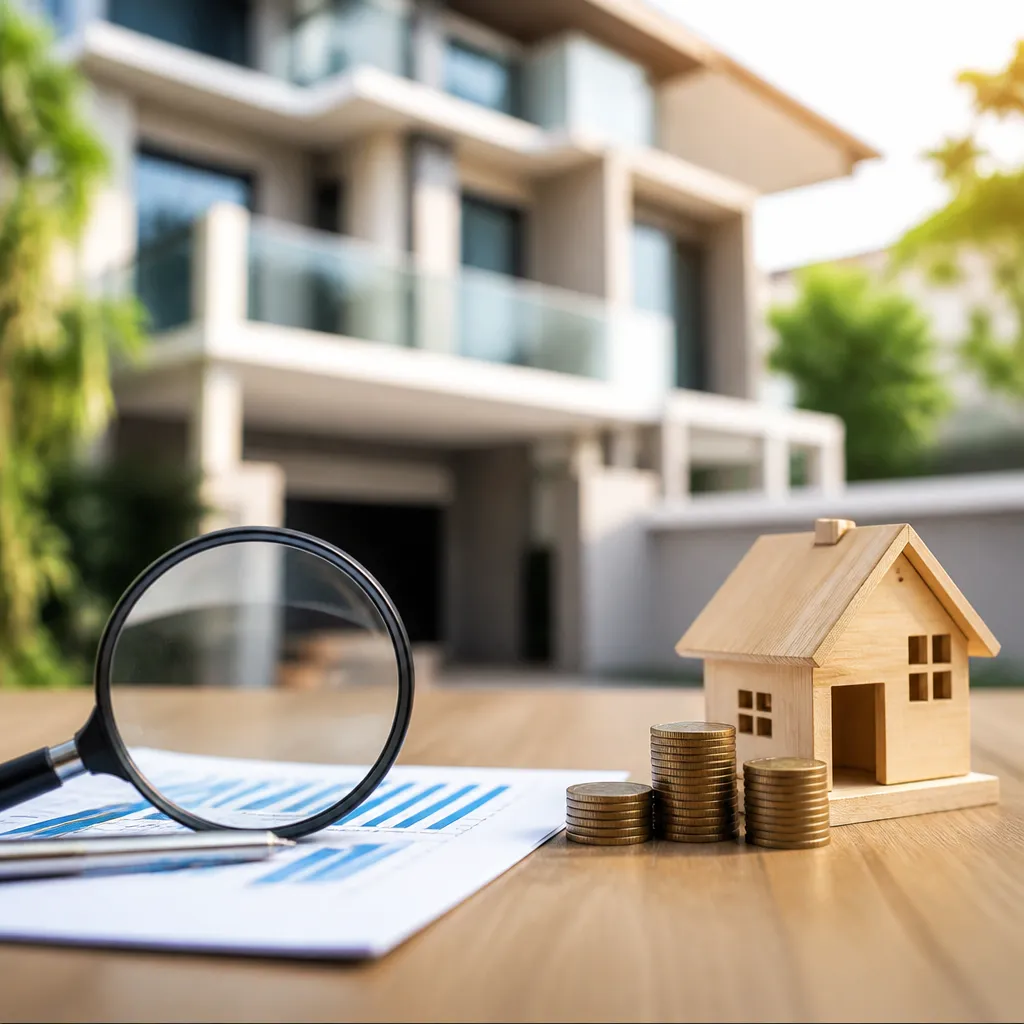
Be sure to also consider macroeconomic factors and market trends. Periods of economic growth tend to raise real estate values, while recessions can cause declines.Search for data on real estate market behavior in your region in recent years to better contextualize your analysis.
Complete Checklist to Find out the Value of Your Property
To ensure you leave no details out, use this practical checklist that organizes the entire evaluation process systematically. Mark each item as you complete it and keep a record of all information collected.
Basic Information of the Property: Check the total footage of the property, including built area and land. Confirm the number of rooms, bathrooms, living room, kitchen and service areas. Write down the age of the property and date of the last renovation carried out. Identify the presence of garage, and how many spaces are available. Document special features such as balcony, pool, yard or green area.
Location and Surrounding: Register the city, neighborhood and street where the property is located. Evaluate the proximity to subway stations, buses and main roads. Search the local infrastructure: schools, businesses, hospitals and leisure. Analyze the neighborhood pattern and valuation trends. Investigate information on security and criminal indicators of the region.
Conservation State: Inspect the general structure of the building for cracks or structural problems. Check the state of electrical, hydraulic and sanitation facilities. Evaluate the state of the roof, walls, floors and finishes. Note if there is a need for urgent renovations or if the property is well maintained. Document with photos any situation that affects the value.
Market Research: Access at least three different real estate ad platforms. Search for properties with similar characteristics in the same region. Write down the prices you ask for and try to find out actual selling prices. Compare prices per square meter between different properties. Record the average time of sale of similar properties in the market.
Financial Analysis: Calculate the price per square meter of your property using the comparisons collected. Consider discounts or additions based on positive or negative differentials. Research annual real estate growth rates in the region. Check price history if the property has already been rented or sold previously.
Final Validation: Compare the values obtained by different methods for cross-validation. Consider getting a professional assessment if the values diverge too much. Consult experienced real estate brokers in the region for your perspective. Review all the data collected and check for no errors or omissions. Document all the analysis in a written report for future references.
Practical Tips to Better Take advantage of Your Analysis
Once you have figured out the real value of your property, you can use this information strategically in different situations. If you are thinking about selling, use the valuation to set a competitive price that will attract serious buyers. If you want to rent, adjust the rental value based on the market and property characteristics to maximize your return.
Keep your valuation updated periodically, especially in heated markets where prices change rapidly.Report the analysis annually or when major changes occur in the region, such as major infrastructure construction or significant economic changes.The more up-to-date your information, the safer your real estate decisions will be.
Use the data obtained also for personal and equity financial planning purposes. Knowing the exact value of your property allows you to calculate your equity accurately, plan inheritances or donations safely, and consider liquidity hypotheses in your long-term financial strategies.