
Letters to Jesus: Prayers and Messages
Announcements
Letters to Jesus represent a profound form of spiritual communication that unites religious tradition with personal expression.You find in this type of prayer writing a safe space to share your feelings, requests and gratitude directly with the Divine.
Announcements
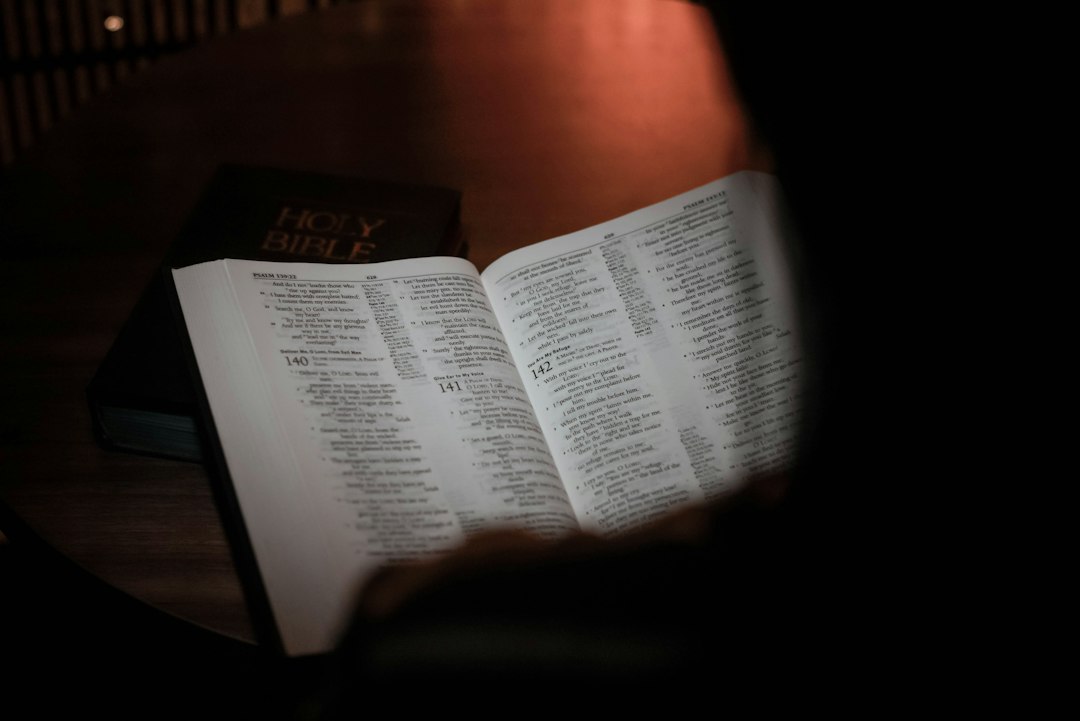
This practice has become increasingly popular among people seeking to deepen their faith life and establish a closer connection with Jesus Christ. By writing messages addressed to him, you create a personal dialogue that transcends traditional prayer, allowing genuine and authentic reflection.
The Spiritual Meaning of Letters to Jesus
When you write a letter to Jesus, you are participating in a tradition that dates back to the early centuries of Christianity. Many saints and religious figures have left records of their written communications with the Divine, demonstrating that this practice has solid theological foundations.
This form of communication offers unique benefits that mental or verbal prayer does not provide. You slow down your thinking when writing, allowing for greater emotional clarity and deep reflection on your concerns and joys.The letter becomes a personal document that you can revisit when needed, reinforcing your faith and accompanying your spiritual journey over time.
How to Start Writing Your Spiritual Letters
To start this practice, you do not need anything extraordinary: just paper, pen and willingness to be honest with yourself. Choose a quiet place where you can concentrate without distractions, creating an environment conducive to deep reflection. This space becomes sacred the moment you devote time to your spiritual communication.
Start your letter simply, as you would in a traditional correspondence. You can use “Dear Jesus”, “Lord Jesus” or any form that feels more natural and respectful. There is no rigid formula or mandatory language: your letter should reflect your own way of expressing yourself, whether formal or informal, poetic or direct. This authenticity is exactly what makes the practice meaningful and transformative.
Common Themes for Your Messages
You can address almost any subject in your letters, as long as it is genuine and comes from your heart. Requests for help in times of difficulty, thanks for blessings received, confession of mistakes made and reflections on your faith are natural themes that arise in this type of communication. The letter does not judge you, allowing complete expression without censorship or embarrassment.
Many people write about specific situations they face: problems at work, family conflicts, health issues or uncertainties about the future. You can also express doubts about your faith, questions that have arisen throughout your spiritual life. This vulnerability is valuable and stimulates authentic personal growth, because you allow yourself to be fully human before the Divine.
The Structure and Content of an Effective Letter
A well-structured letter to Jesus usually begins with a warm and respectful greeting. Then you can share the main reason that led you to write at that specific time, whether it is an urgent issue or simply the desire to keep in touch. Many choose to start by thanking something before submitting requests, thus balancing the communication between gratitude and need.
In the body of the letter, you expose your thoughts, feelings and concerns clearly and sincerely. Develop your arguments naturally, explaining the circumstances that led you to that emotional or spiritual state.You do not need to be concise or summarized: the letters to Jesus allow necessary extension for you to express yourself completely, reflecting the full complexity of your emotions.

End your letter with a conclusion that reaffirms your commitment to the faith or simply expresses confidence that your message has been heard. You may include a specific request for divine blessing, protection or direction. By signing the letter with your own name or just leaving it unsigned, you end the dialogue in a respectful and personal way.
Turning Letters into Constant Spiritual Practice
Establishing a routine of writing letters to Jesus enhances their spiritual effects in your life. You can determine a frequency that works best for you: weekly, monthly or whenever you feel the need for deeper communication. This consistency creates a pattern of dedication that demonstrates seriousness in your search for divine connection and spiritual growth.
Consider keeping your letters in a safe place, forming a personal collection of your spiritual journey.You will create a precious record that will allow reflection on how your faith has evolved, what requests have been answered and how you have changed over time.Reading these ancient correspondences reaffirms your confidence in divine answers and consolidates your relationship history with God.
Some practitioners establish special rituals when writing, such as lighting a candle, listening to background sacred music, or devoting a specific time of day to this activity.You can create your own rituals that make the moment more meaningful and meditative, intensifying the feeling of closeness to the Divine during the writing process.
Deepening Your Understanding of Practice
The practice of writing letters to Jesus is not simply about sending requests to a distant recipient, but about establishing transformative dialogue with yourself and your deepest beliefs.You find that the process of articulating your thoughts in writing clarifies mental and emotional confusions that once seemed embarrassing or incomprehensible.
Writing works as a therapeutic tool that combines spirituality with emotional well-being. You release tensions, fears and worries that were stored internally, transforming negative energy into constructive communication. Many report feeling of immediate relief after writing, as if they had placed their burden at the feet of a greater and wiser presence.
Different Christian traditions recognize value in this practice, regardless of specific theological interpretations.You find in the letter an ecumenical space where your personal faith is respected and your sincerity is always welcome. The beauty of this approach lies in its simplicity and accessibility: anyone, under any circumstances, can initiate this sacred communication.
Over time, you will develop your own style and language for these letters, evolving from initial insecurity to authentic and confident expression.Your messages will become deeper and deeper as you deepen your understanding of yourself and your relationship with the Divine.
You also find that these writings often generate indirect responses, manifested in real-life circumstances that guide you in unexpected directions. Synchronicities, meaningful encounters, and opportunities appear in ways that seem to respond to the concerns expressed in the letters. This feedback reinforces your confidence in the spiritual effectiveness of the practice and encourages you to continue it with renewed dedication and hope.